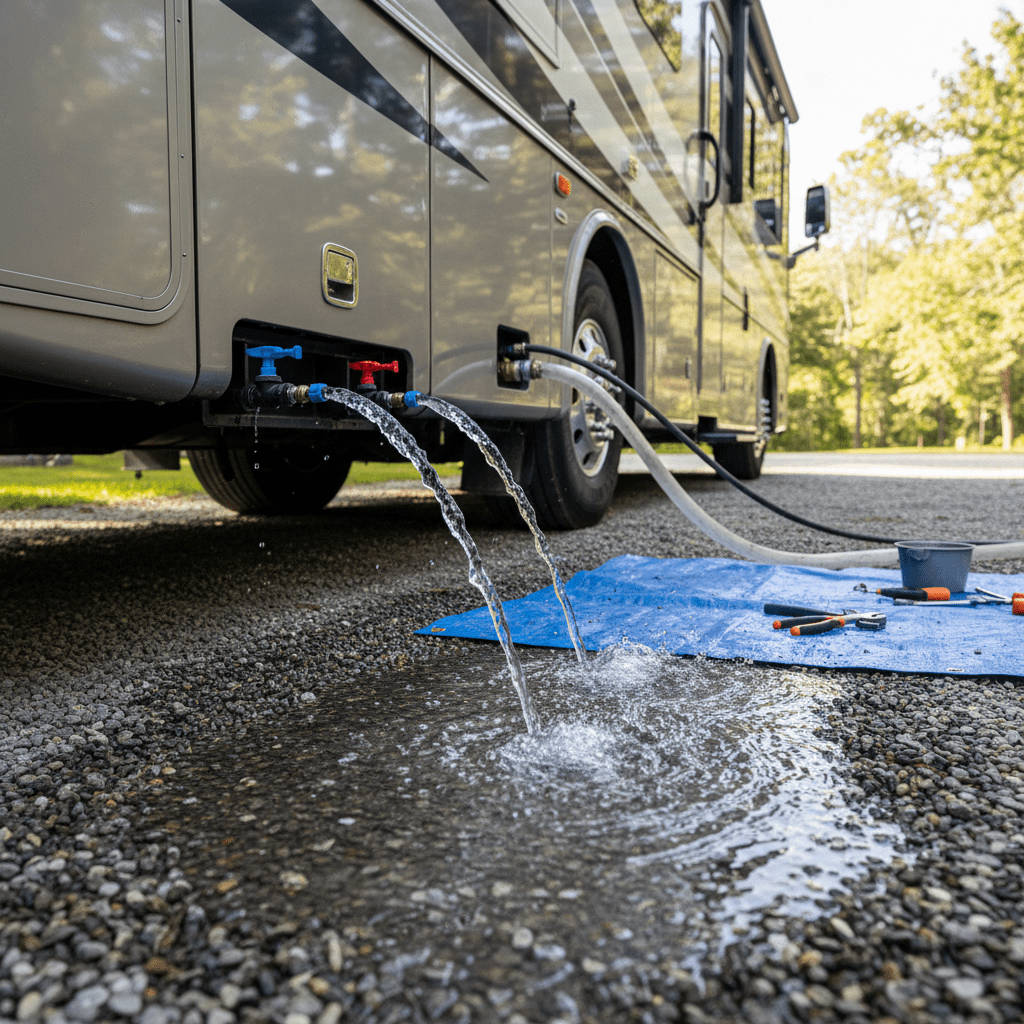
San Felipe's stunning desert landscape and proximity to the Sea of Cortez make it an RV paradise, but the unique climate presents specific maintenance challenges that every RV owner should understand. The combination of intense heat, salt air, desert dust, and occasional humidity requires a proactive maintenance approach to keep your RV in top condition. Whether you're a seasonal visitor or a full-time resident at Vee's RV Ramada, these essential maintenance tips will help protect your investment and ensure comfortable, trouble-free desert living.
Understanding San Felipe's Climate Impact on Your RV
San Felipe's desert climate is characterized by extreme temperature fluctuations, intense UV exposure, low humidity, and salt-laden coastal air. Summer temperatures regularly exceed 100°F, while winter nights can drop to the 40s. This temperature swing causes materials to expand and contract repeatedly, stressing seals, joints, and mechanical components. The relentless sun degrades rubber, plastic, and painted surfaces faster than in temperate climates.
Salt air from the Sea of Cortez accelerates corrosion on metal components, particularly affecting chassis, hitches, jacks, and any exposed hardware. Desert dust is fine and pervasive, infiltrating every crack and crevice, clogging filters, and coating mechanical parts. Understanding these environmental stressors helps you anticipate problems before they become expensive repairs.
The good news is that San Felipe's dry climate prevents many moisture-related issues common in humid regions. You're unlikely to face mold, mildew, or wood rot problems. However, the dryness creates its own challenges, causing rubber seals to dry out and crack, wood to shrink and split, and adhesives to fail. Your maintenance strategy must address these desert-specific concerns.
Protecting Your RV's Exterior
Your RV's exterior takes the brunt of San Felipe's harsh conditions. Regular washing is essential, but it's not just about appearance—it's about protection. Wash your RV at least monthly, more frequently if parked near the beach where salt spray is heaviest. Use RV-specific soap that won't strip protective wax, and pay special attention to removing salt deposits and desert dust from all surfaces.
After washing, inspect your roof thoroughly. Roof seams, vents, air conditioner units, and antenna mounts are common leak points. The intense sun causes sealants to dry out and crack, creating pathways for water during rare but intense desert rainstorms. Reseal any questionable areas using high-quality, UV-resistant RV sealant. Many RV owners in San Felipe adopt a preventive approach, resealing their entire roof every 1-2 years rather than waiting for leaks to develop.
Apply UV protectant to all rubber seals around windows, doors, and compartments. These seals dry out quickly in desert heat, becoming brittle and ineffective. Quality protectants restore flexibility and create a barrier against UV damage. Don't forget slide-out seals, which are particularly vulnerable and expensive to replace.
Wax your RV's exterior at least twice yearly using marine-grade or RV-specific wax that offers UV protection. This protective layer shields your paint and graphics from sun damage while making future cleaning easier. For fiberglass RVs, consider applying a ceramic coating for long-lasting protection that withstands desert conditions better than traditional wax.
Cooling System Maintenance
Air conditioning is not optional in San Felipe—it's survival equipment. Your RV's cooling system works overtime in desert heat, making maintenance critical. Clean or replace AC filters monthly during hot months. Dirty filters reduce efficiency, forcing your system to work harder and consume more power while delivering less cooling.
Inspect your air conditioner's exterior unit regularly, removing accumulated dust and debris. The condenser coils should be cleaned annually using specialized coil cleaner and a soft brush. Dirty coils significantly reduce cooling efficiency and can lead to compressor failure—an expensive repair that's easily prevented with regular cleaning.
Check that your AC unit drains properly. Condensation should drain away freely; if water pools around the unit, clear the drain path to prevent water damage and mosquito breeding. Ensure your RV is level when parked, as this helps AC units operate efficiently and drain properly.
Consider adding reflective window covers or awnings to reduce heat gain. Blocking direct sunlight from entering your RV significantly reduces the cooling load on your AC system, lowering energy consumption and extending equipment life. Many San Felipe RV owners install permanent awnings or shade structures at their sites for this reason.
Tire Care in Extreme Heat
Tires are particularly vulnerable in San Felipe's heat. High temperatures increase tire pressure and accelerate rubber degradation, especially when RVs sit stationary for extended periods. Check tire pressure weekly, adjusting to manufacturer specifications. Remember that pressure increases as tires heat up, so check when tires are cool, preferably in the morning.
Inspect tires for signs of weather cracking, particularly on sidewalls. Desert heat and UV exposure cause rubber to dry out and crack, compromising tire integrity. Even if tread depth appears adequate, tires showing significant cracking should be replaced. Most tire manufacturers recommend replacement after six years regardless of appearance, and this timeline should be shortened in extreme climates like San Felipe's.
Use tire covers when your RV is parked for extended periods. These inexpensive covers block UV rays and significantly extend tire life. If your RV will sit for weeks or months, consider using tire cradles or jacks to remove weight from tires, preventing flat spots and reducing stress on sidewalls.
Rotate your RV tires according to manufacturer recommendations, typically every 6,000-8,000 miles. Proper rotation ensures even wear and maximizes tire life. When rotating, inspect brake components, wheel bearings, and suspension parts for wear or damage.
Water System Protection
San Felipe's water quality varies, and protecting your RV's water system is essential for health and equipment longevity. Install a quality water filter at your fresh water inlet to remove sediment, chlorine, and contaminants. Replace filter cartridges according to manufacturer recommendations, more frequently if you notice reduced water pressure or taste changes.
Sanitize your fresh water system at least twice yearly. This process kills bacteria and removes biofilm buildup that accumulates in tanks and lines. Use RV-specific sanitizing products and follow proper procedures, including flushing the entire system thoroughly after sanitization.
Inspect water pump operation regularly. The pump should cycle on and off appropriately when faucets are opened and closed. Continuous running when no water is being used indicates a leak somewhere in the system. Address leaks immediately to prevent water damage and pump burnout.
Check all visible plumbing connections for leaks, paying particular attention to areas under sinks and around the water heater. Desert heat can cause plastic fittings to become brittle and fail. Carry spare fittings and basic plumbing supplies for quick repairs.
If you'll be away from your RV for extended periods, winterize the water system even though San Felipe rarely freezes. This prevents stagnant water from creating odors and bacterial growth. When you return, sanitize the system before use.
Battery and Electrical System Care
Batteries work harder in extreme heat and discharge faster. Check battery water levels monthly if you have flooded lead-acid batteries, adding distilled water as needed. Clean battery terminals regularly, removing corrosion with a wire brush and baking soda solution. Apply terminal protector spray to prevent future corrosion.
Test battery voltage regularly using a multimeter. A fully charged 12-volt battery should read 12.6-12.8 volts. If voltage drops below 12.4 volts, recharge immediately. Deep discharges shorten battery life, particularly in hot climates where batteries already face stress.
Inspect all electrical connections for corrosion, particularly in compartments exposed to salt air. Spray electrical connections with corrosion inhibitor designed for marine or RV use. Check that all exterior outlets, including shore power connections, are weather-tight and functioning properly.
If your RV sits unused for extended periods, disconnect batteries or use a battery maintainer to prevent discharge. Solar panels are popular in San Felipe for maintaining battery charge during storage while providing power for security systems or ventilation fans.
Preventive Maintenance Schedule
Establish a regular maintenance schedule tailored to San Felipe's climate. Monthly tasks should include washing the exterior, checking tire pressure, cleaning AC filters, inspecting seals, and testing all systems. Quarterly maintenance should include deep cleaning, thorough system inspections, and addressing any minor issues before they become major problems.
Annual maintenance should include professional inspection of roof seams and seals, complete AC servicing, brake inspection, bearing repacking, and comprehensive system testing. Many San Felipe RV owners schedule major maintenance during summer months when they're away from the heat, ensuring their RV is ready for comfortable winter season use.
Keep detailed maintenance records, noting dates, services performed, and any issues discovered. These records help you track maintenance intervals and can be valuable if you sell your RV. They also help identify recurring problems that may indicate larger issues requiring attention.
Embracing Desert RV Living
While San Felipe's desert climate demands attentive RV maintenance, the rewards of desert living far outweigh the extra effort. The stunning sunsets, world-class fishing, welcoming community, and relaxed lifestyle make San Felipe an RV paradise. With proper maintenance, your RV will provide comfortable, reliable shelter for years of desert adventures.
At Vee's RV Ramada, we understand the unique challenges of maintaining RVs in San Felipe's climate. Our community of experienced RV owners shares knowledge, tools, and support to help everyone keep their rigs in top condition. Whether you're new to desert RV living or a seasoned veteran, we're here to help you protect your investment and enjoy everything San Felipe has to offer.